Breast Biopsy
A safe method that provides a definitive diagnosis by taking a tissue sample from a suspicious breast mass with a core (tru-cut) needle under ultrasound guidance.
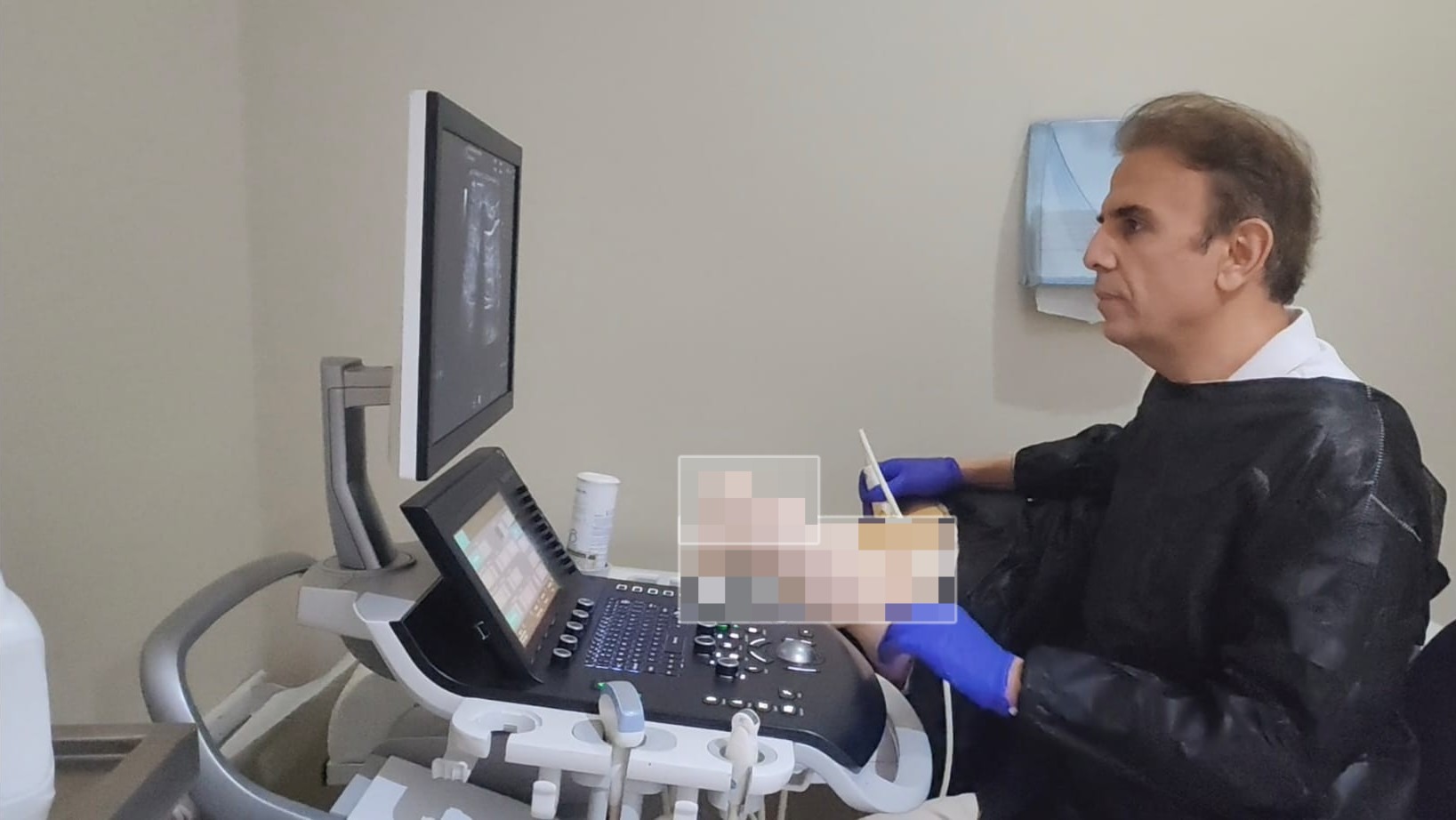
What is breast biopsy?
Breast biopsy is a medical procedure performed when a suspicious mass, lesion or abnormal tissue is detected in the breast, and it provides a definitive diagnosis. In this method, a tissue sample is taken for examination and evaluated pathologically; thus it is definitively determined whether the masses are benign or malignant.
Breast core needle biopsy is the procedure of taking a piece of tissue from the suspicious mass in the breast using a special needle under local anesthesia. This method is also known as tru-cut biopsy or core biopsy; it allows a definitive diagnosis without the need for surgery.
Why is breast core needle biopsy performed?
Breast core needle biopsy is performed to understand whether a suspicious mass or abnormal tissue in the breast is benign or malignant (cancer), to make an accurate definitive diagnosis and to determine the hormonal characteristics of the cancer type.
Is core needle biopsy the only way to take a tissue sample from a suspicious lesion?
Various biopsy techniques can be used to diagnose suspicious lesions detected in the breast. Core needle biopsy is one of them and is usually the first-choice method because it is easy to perform and has high diagnostic accuracy.
Vacuum biopsy is another technique; in this method a thicker needle and a vacuum system are used compared with core needle biopsy. This allows more tissue to be taken. The risk of bleeding is higher. It is usually used only for the non-surgical diagnosis of suspicious microcalcifications seen on mammography.
Excisional biopsy: In some cases, the detected lesion may need to be completely removed surgically for diagnostic purposes. This is called an excisional biopsy.
Fine-needle aspiration biopsy: For fluid-filled, i.e. cystic, lesions of the breast, fine-needle aspiration biopsy is preferred.
Which lesions need a biopsy?
According to mammography, breast ultrasound or breast magnetic resonance imaging findings, a biopsy may be performed for pathological diagnosis when a lesion with a possibility of being malignant is detected. The suspicion level of the detected lesion is indicated in reports with the BI-RADS classification. Accordingly, a biopsy is recommended for lesions evaluated as BI-RADS 4A, BI-RADS 4B, BI-RADS 4C or BI-RADS 5. This procedure allows us to understand whether the suspicious lesion is benign or malignant. It is critically important for applying the appropriate follow-up or treatment plan.
How is breast core needle biopsy performed?
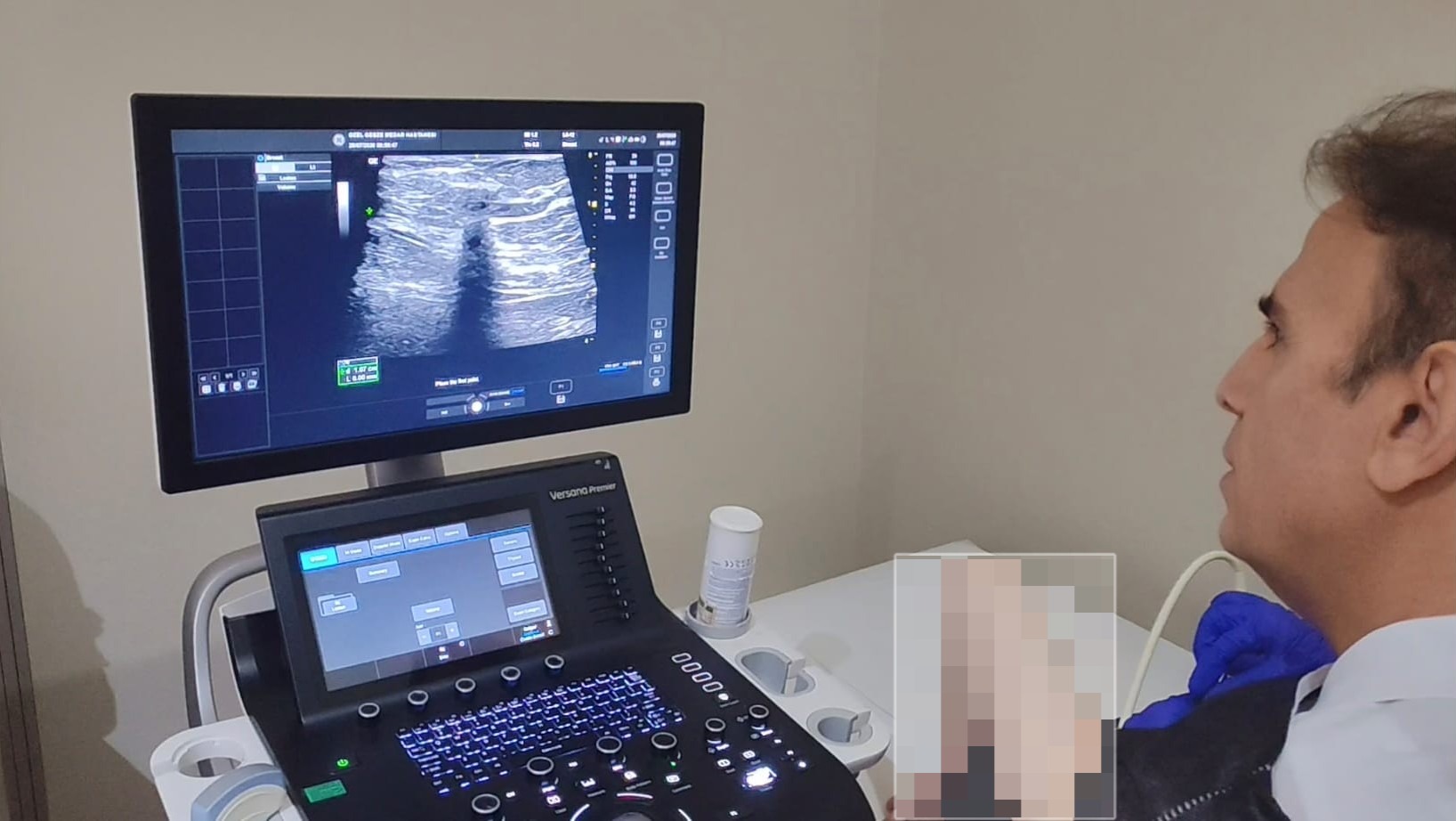
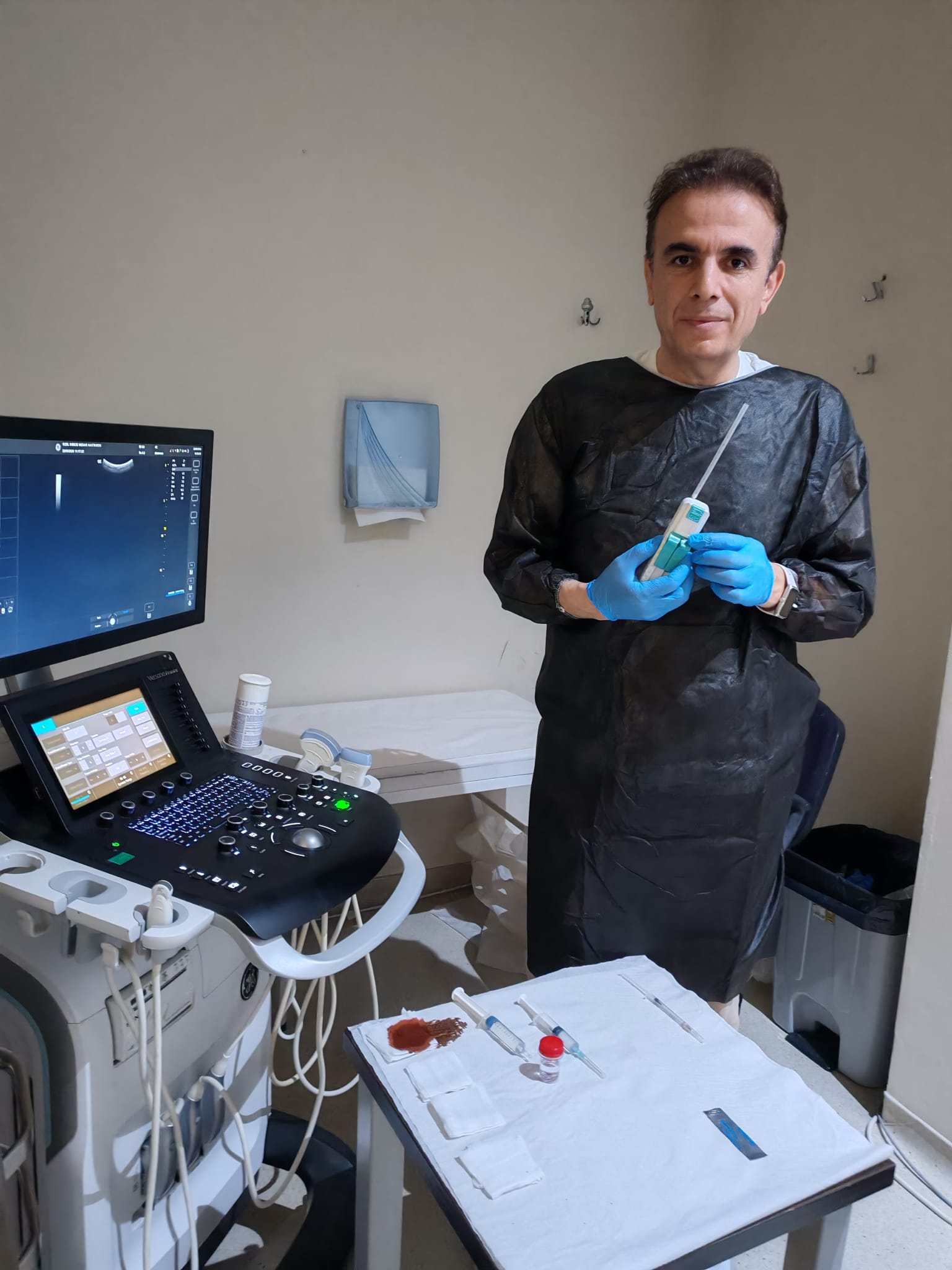
Core needle biopsy is usually performed under ultrasound guidance. The patient lies on their back on the couch. Before the procedure, similar to a breast ultrasound, the patient is positioned with the arm on the side of the breast with the lesion raised. The lesion is imaged with ultrasound and planning is done. The procedure is carried out under standard sterile conditions. The skin is cleaned with an antiseptic. The area where the needle will enter is numbed with topical anesthesia on the skin, and the area through which the needle passes and the lesion are numbed with local anesthesia during the procedure. A small incision is made. During the procedure, the lesion is imaged with ultrasound and the core biopsy needle is inserted into the targeted area to take tissue samples. Using the same needle entry hole, the required number of samples are taken from different parts of the lesion. After the procedure, pressure is applied to the area for 20 minutes to control bleeding. Finally, the area where the intervention was performed is closed.
Does breast biopsy give a definitive result?
When breast biopsy is performed directly from the mass under ultrasound guidance or when the whole mass is removed surgically, it usually gives a definitive diagnosis in pathology. However, in some types of cancer, a second ultrasound-guided biopsy may be required at the request of the pathologist.
How long does breast core needle biopsy take?
Breast core needle biopsy, including preparation, takes about 30 minutes.
Is the patient put to sleep during breast core needle biopsy?
Breast core needle biopsy is usually performed with local anesthesia, without putting the patient to sleep.
Is preparation required before breast core needle biopsy?
No preparation is required. Before the procedure, blood thinners may be temporarily stopped depending on the patient's condition, as they may increase the likelihood of bleeding during and after the procedure.
Is breast core needle biopsy a painful procedure?
During the procedure, the skin, the path the needle follows and the lesion are numbed with local anesthesia. During the numbing, patients generally compare the pain they feel to the pain felt when drawing blood.
Is there pain after breast biopsy?
Women who have a breast biopsy may worry about afterwards. Even when blood is drawn from the arm, there may be mild pain at the needle site afterwards.
Taking a piece from the mass in the breast is a more complicated procedure than drawing blood. Depending on the location and the patient's pain threshold, pain may occur for 2–3 hours after the biopsy in some patients. In this case a painkiller can be taken; there is no contraindication.
Can there be undesirable situations after breast core needle biopsy?
Pain lasting a few days may occur at the intervention site. If necessary, painkillers without a blood-thinning property can be used. In addition, bleeding may rarely occur at the intervention site. These are usually mild and at a level that can be controlled by applying brief pressure to that area without additional treatment.
What are the recommendations after breast core needle biopsy?
It is not recommended to do heavy work or sports on the day of the procedure.
Does breast core needle biopsy leave a scar?
Core needle biopsy is a non-surgical procedure and only a pinpoint mark forms on the skin where the needle enters and exits. This mark usually fades or heals over time. The healing process may vary depending on personal characteristics such as the person's skin type and the care of the wound.
Do breast biopsies cause an existing benign mass to turn malignant or a malignant mass to spread?
Breast biopsy does not cause an existing benign mass to turn malignant or cancer to spread.
What is done with the samples taken in breast core needle biopsy?
The thin tissue samples obtained in core needle biopsy are placed in a special liquid and sent to the pathology laboratory for evaluation.
In how many days do the pathology results of breast core needle biopsy come out?
Results usually come out within 7 days. When special stains are required, the result may take longer.